






Обнаружение утечек гелия в охлаждающих пластинах и коллекторах в системах жидкостного охлаждения
Новости отраслевых технологий >As high-performance computing, electric vehicles, and energy storage systems continue to evolve, liquid cooling technology has become essential for thermal management. Components such as cold plates and cooling manifolds play a critical role in circulating coolant and removing heat efficiently from electronic devices and battery systems. However, even microscopic leaks in these components can lead to coolant loss, reduced efficiency, and system failure.
For manufacturers, ensuring perfect sealing integrity is therefore a top priority. This is where helium leak detection technology becomes indispensable.
Why Leak Testing Is Critical for Liquid Cooling Components
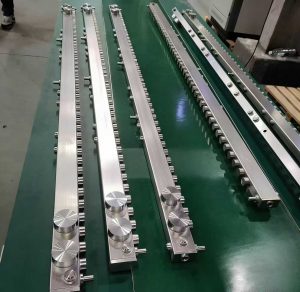
Cold plates and cooling manifolds contain complex internal flow channels and multiple welded or brazed joints. These structures make them highly susceptible to micro-leaks during manufacturing. Traditional leak testing methods such as water immersion or pressure decay testing are often unable to detect extremely small leaks.
Industrial applications often require leak rates as low as 10⁻⁶ mbar·L/s, which represents extremely tiny openings that conventional methods cannot reliably identify. Helium leak detection systems are capable of identifying leaks at this sensitivity level, making them the preferred solution in high-precision manufacturing environments.
Why Helium Is Used for Leak Detection
Helium is widely used as a tracer gas in leak detection because of several unique properties:
-
Helium atoms are extremely small and can easily pass through microscopic defects.
-
The concentration of helium in air is very low (around 5 ppm), allowing detectors to identify even minimal leaks with high sensitivity.
-
Helium is inert, non-toxic, and safe for industrial testing.
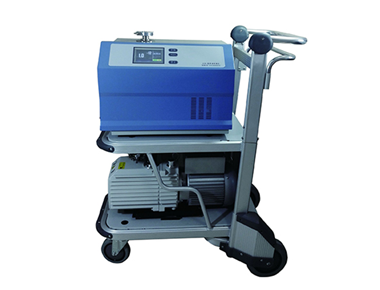
By introducing helium into a sealed component and using a гелиевый масс-спектрометр течеискатель, manufacturers can accurately measure leakage and locate defect points.
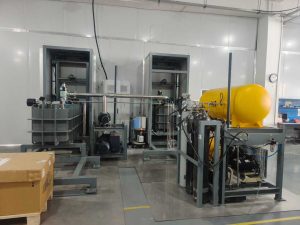
Common Helium Leak Testing Methods for Cold Plates
Several helium leak testing techniques are commonly used in liquid cooling component production:
Vacuum chamber helium leak test
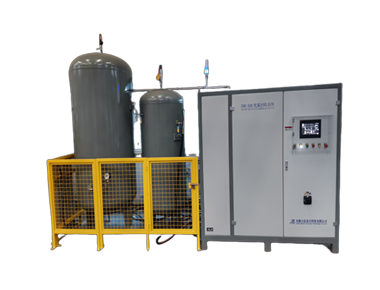
The test part is placed inside a vacuum chamber, filled with helium, and monitored by a helium leak detector. This method offers extremely high sensitivity and is widely used for precision components such as battery cooling plates and electronic cooling modules.
Sniffer helium leak detection
In this method, the component is pressurized with helium and a sniffer probe scans external welds or joints to identify escaping gas.
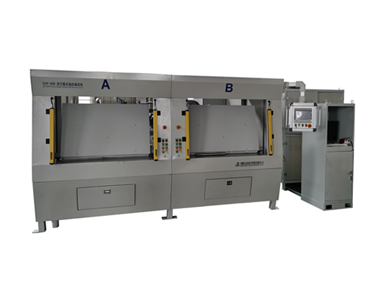
Automated helium leak testing systems
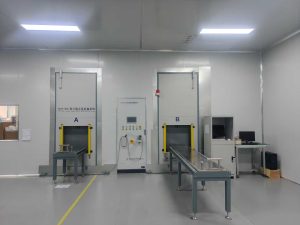
Many manufacturers now integrate automated leak detection equipment directly into production lines, improving testing speed, repeatability, and quality control.
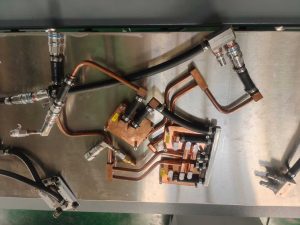
Applications in the Liquid Cooling Industry
Helium leak testing is increasingly used in the manufacturing of:
-
Data center liquid cooling plates
-
EV battery cooling plates
-
Cooling manifolds and distribution blocks
-
Micro-channel heat exchangers
-
Liquid cooling systems for power electronics
As liquid cooling technologies expand across AI servers, electric vehicles, and high-power electronics, the demand for helium leak detectors for cold plate and manifold testing continues to grow.
In modern manufacturing, helium leak detection acts like an industrial microscope—revealing microscopic defects that would otherwise remain invisible. By implementing reliable helium leak testing solutions, manufacturers can ensure product reliability, reduce warranty risks, and maintain the highest standards of quality.
 расследование


 YouTube
 Линкедин
 Инстаграм
-
Основной технический индекс
Другие продукты
-
Обнаружение утечек гелия в автомобильных системах кондиционирования и охлаждения
В современном автомобилестроении обнаружение утечек играет решающую роль в обеспечении производительности, безопасности и надежности автомобильных систем кондиционирования воздуха (AC) и отопления, вентиляции и кондиционирования (HVAC). По мере ужесточения стандартов эффективности транспортных средств и повышения экологической безопасности хладагентов, обнаружение утечек гелия стало предпочтительным решением для высокоточной проверки компонентов автомобильных холодильных установок. Почему проверка на герметичность критически важна в автомобильных системах кондиционирования воздуха? Автомобильные системы кондиционирования воздуха работают под высоким давлением и температурой…
-
Проверка герметичности с помощью гелия: золотой стандарт обнаружения микроутечек в упаковке.
В контроле качества упаковки в различных отраслях промышленности обнаружение микропротечек является ключевым звеном в обеспечении безопасности, качества и срока годности продукции. Гелиевый контроль герметичности, известный своей непревзойденной надежностью и чувствительностью, по праву заслужил репутацию «золотого стандарта» в этой области. Широко используемая регулирующими органами и производителями, эта технология стала неотъемлемой частью современных протоколов валидации и проверки целостности упаковки. Ее широкое внедрение отражает растущий спрос на…
-
Передовые решения для обнаружения утечек гелия в энергетической, жидкостно-охлаждающей и отопительно-кондиционной отраслях.
В быстро меняющемся мире промышленного производства обеспечение целостности и эффективности критически важных компонентов имеет первостепенное значение. Компания Daxin Vacuum Technology Co., Ltd. специализируется на предоставлении современного оборудования для обнаружения утечек гелия, разработанного специально для энергетического сектора, систем жидкостного охлаждения и систем отопления, вентиляции и кондиционирования воздуха, таких как испарители и конденсаторы кондиционеров. По мере роста мировых рынков, включая процветающую иранскую индустрию ОВК, спрос на точные гелиевые масс-спектрометры для обнаружения утечек резко возрос. Согласно...
-
Обнаружение утечек гелия в автомобильной промышленности: обеспечение надежности испарителей, конденсаторов и компрессоров
В конкурентной автомобильной промышленности точность и надежность имеют решающее значение. Системы кондиционирования воздуха (КВ) играют ключевую роль в обеспечении комфорта пассажиров, а такие компоненты, как испарители, конденсаторы и компрессоры, должны быть герметичны по стандарту 100% для обеспечения эффективности и долговечности. Даже самая незначительная утечка хладагента может привести к снижению эффективности охлаждения, повышенному потреблению энергии и дорогостоящим гарантийным случаям. Именно поэтому многие производители выбирают гелиевый течеискатель Daxin как самое передовое решение для проверки герметичности автомобильных кондиционеров. [c...
-
Решения по обнаружению утечек гелия в энергетике: обеспечение безопасности и надежности распределительных устройств SF6 и вакуумных выключателей
В современной энергетике надежность и безопасность являются основой любой системы. Электрооборудование, такое как элегазовые распределительные устройства, вакуумные выключатели и высоковольтные распределительные устройства с элегазовой изоляцией (КРУЭ), играет важнейшую роль в обеспечении стабильного электроснабжения промышленных предприятий и домохозяйств. Однако существует скрытая проблема, которая угрожает как эффективности, так и безопасности — утечка газа. Для решения этой проблемы гелиевый течеискатель Daxin стал проверенным решением, которому доверяют производители и коммунальные службы по всему миру. Проблема утечки газа в...
-
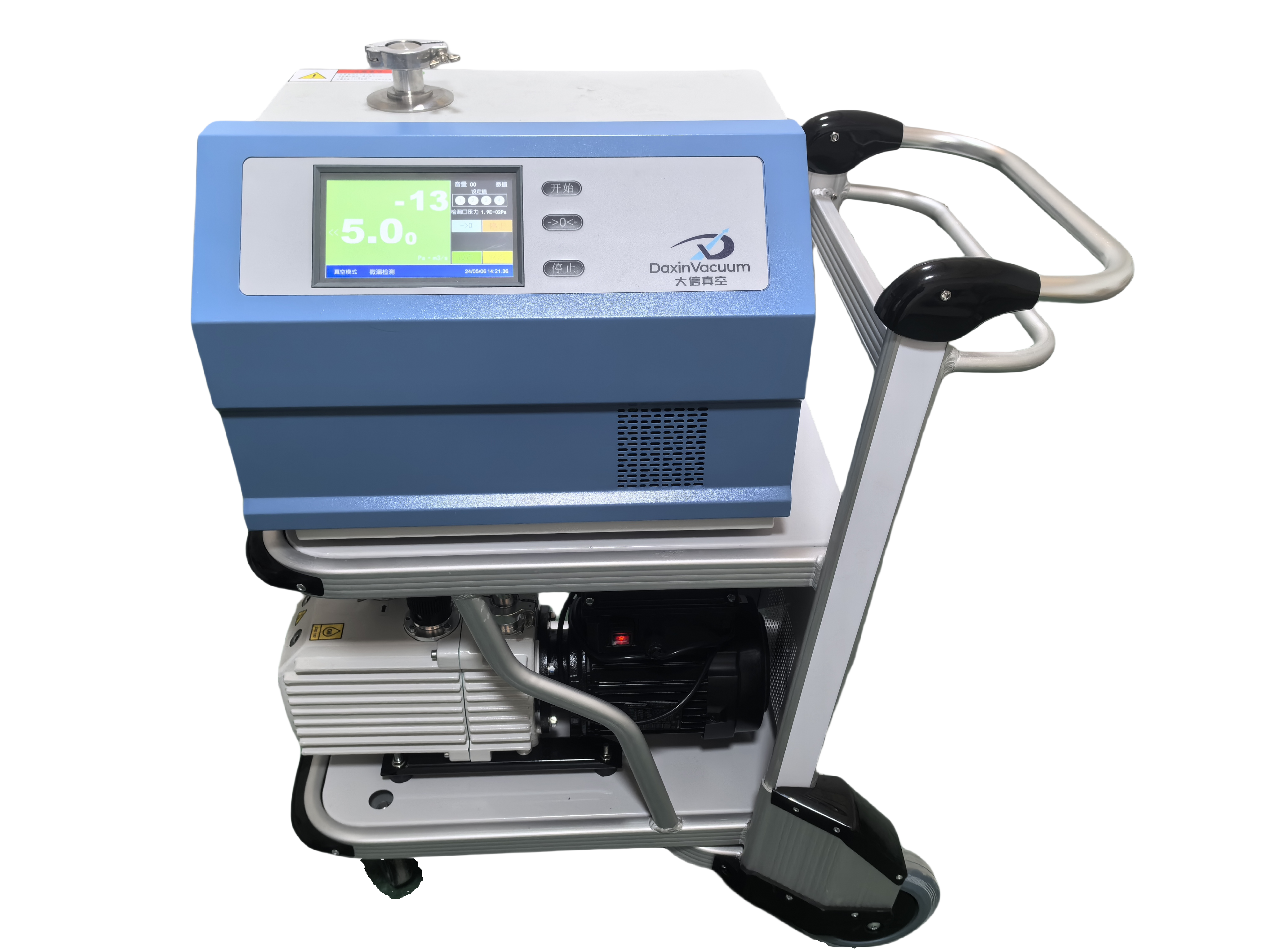
Как использовать гелиевый масс-спектрометр для безопасного сопровождения теплообменника
В таких жизненно важных отраслях, как нефтехимия, новая энергетика и аэрокосмическая промышленность, теплообменники играют роль «сердца» систем, а их герметичность напрямую связана с безопасностью производства и энергоэффективностью. Гелиевые масс-спектрометрические течеискатели Daxin, независимо разработанные компанией Anhui Daxin Vacuum Technology, с наномасштабной точностью обнаружения создали надежную линию защиты от утечек для промышленного оборудования по всему миру. Эта статья познакомит вас с передовыми технологиями этой «промышленной...
-
Революция в обнаружении утечек с помощью гелиевой системы обнаружения утечек компрессоров DAXIN
В сфере промышленного оборудования и точного машиностроения царит стремление к эффективности, точности и надежности. Познакомьтесь с системой обнаружения утечек гелия DAXIN Compressors, передовым решением, предназначенным для поднятия процессов обнаружения утечек на новую высоту. С акцентом на точность, производительность и инновации эта система устанавливает новый стандарт в обнаружении и устранении утечек с беспрецедентной точностью и эффективностью. Презентация системы обнаружения утечек гелия в компрессорах DAXIN На...
-
Раскрытие безмолвного спасителя: история любви с детектором утечек гелия
В тихой симфонии техники, где царит точность, существует невоспетый герой, молчаливый страж качества — гелиевый течеискатель. За время моего 15-летнего странствия в области обнаружения утечек гелия я воочию стал свидетелем того глубокого влияния, которое этот прибор оказывает на отрасли промышленности во всем мире. Присоединяйтесь ко мне, и я расскажу об увлекательном мире гелиевых течеискателей, где переплетаются наука и эмоции. Ода незримому Гелиевые детекторы утечек — мастера невидимого, хранители целостности во всем мире.


