






Navigating Helium Supply Challenges: The Critical Role of Helium Recovery in Liquid Cooling Leak Detection
أخبار تكنولوجيا الصناعة >مقدمة
Driven by the rapid growth of artificial intelligence (AI) data centers, high-performance computing (HPC), and electric vehicle (EV) power electronics, liquid cooling has transitioned from an advanced alternative to an essential industry requirement. As thermal densities surge, components such as cold plates, cooling distribution units (CDUs), and manifold assemblies must operate flawlessly under continuous pressure. Unlike traditional air cooling, a single coolant leak in a liquid cooling setup can cause catastrophic hardware damage, electrical short circuits, and extensive facility downtime. Consequently, verifying component integrity through high-sensitivity leak testing has become a critical quality assurance standard.
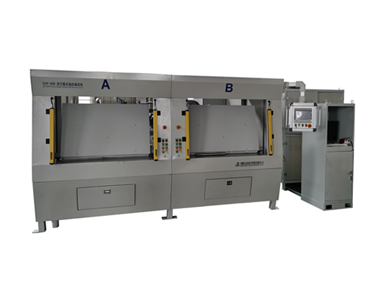
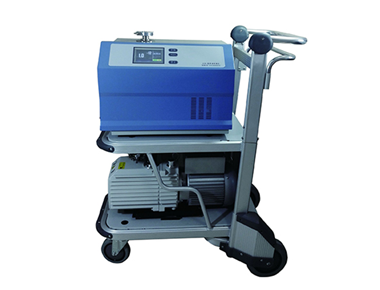
Automated vacuum helium leak detection and high-efficiency helium recovery equipment for liquid cooling plates and manifolds.
Industry Pain Points: Supply Bottlenecks and Price Volatility
Hard vacuum helium leak detection remains the benchmark method for validating liquid cooling hardware. Due to its small molecular size and inert properties, helium provides exceptional sensitivity, fast cycle times, and superior repeatability compared to alternative tracer gases or pressure decay testing. However, manufacturers face ongoing challenges due to recurring global helium shortages and significant price fluctuations, as highlighted in industry analyses like Assembly Magazine: Dealing With the Helium Shortage. Geopolitical factors, supply rationing by major industrial gas distributors, and extraction facility downtime have repeatedly pushed helium costs upward. For liquid cooling equipment manufacturers, relying entirely on single-use virgin helium introduces substantial cost burdens and supply chain risks.
The Strategic Importance of Helium Recovery
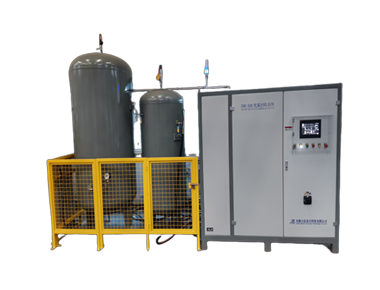
To address cost pressures without compromising leak detection sensitivity, liquid cooling manufacturers are increasingly adopting automated helium recovery systems. A modern recovery unit functions as a closed-loop recirculation system. Following a vacuum chamber test cycle, the released helium is captured, filtered, compressed, and returned to primary storage tanks where gas analyzers continuously monitor and adjust purity levels.
High-efficiency helium recovery systems can reclaim 90% to 95% of the tracer gas used during testing. By continuously recycling the gas, manufacturers only require a small fraction of fresh helium to make up for minor volumetric losses. This closed-loop approach significantly lowers per-unit testing expenses, reduces reliance on external gas suppliers, and protects production schedules from market rationing.
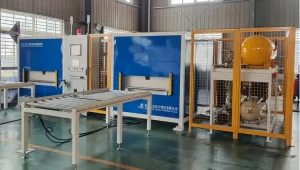
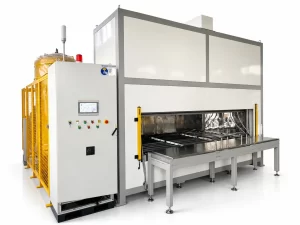
Big chamber vacuum helium leak detection and recovery system for liquid cooling cold plates, manifolds, and battery heat exchangers.
خاتمة
As demand for high-density liquid cooling hardware continues to expand, manufacturers must reconcile strict zero-leakage quality standards with sustainable cost management. While helium remains irreplaceable for detecting minute leak rates in cold plates and cooling lines, unrecovered gas usage is increasingly impractical. Integrating high-precision helium leak detection with closed-loop helium recovery systems allows manufacturers to maintain strict quality control, control operating costs, and establish resilient production workflows.
 سؤال
سؤال


-
أكثر
 موقع YouTube
 ينكدين
 انستغرام
-
المؤشر الفني الرئيسي
منتجات اخرى
-
High-Precision Vacuum Leak Detection Solutions for Liquid Cooling Systems & Castings
As high-density computing, data centers, and EV power electronics evolve rapidly, effective thermal management has become more critical than ever. Liquid cooling systems—specifically server cold plates, liquid cooling assemblies, connectors, and valve seats—require absolute hermetic sealing to prevent fluid leaks that could jeopardize mission-critical equipment. To address these stringent quality control demands, Anhui Daxin Vacuum Technology Co., Ltd. offers advanced Vacuum Leak Detection Systems specifically tailored for the l...
-
Reliable Vacuum Helium Leak Detection for Liquid Cooling & Die-Casting Components
With the exponential surge in AI workloads, high-performance computing (HPC), and next-generation data centers, liquid cooling technology has rapidly shifted from an advanced alternative to an essential industry standard. However, because liquid cooling brings fluid directly near sensitive electronics, even a microscopic leak in a server cold plate, connector, or valve seat can cause severe equipment failure and costly downtime. To guarantee absolute tightness and zero-leak reliability, Anhui Daxin Vacuum Technology Co., Ltd. prov...
-
الكشف عن تسرب الهيليوم في تصنيع بطاريات السيارات الكهربائية: دليل شامل للهندسة ومراقبة الجودة
المقال الأصلي: دراسة حالة جمعية مهندسي السيارات الصينية (تاريخ النشر: 23 أكتوبر 2024) المؤلف: تشاو يولونغ - باحث في مركز أبحاث الكهرباء، جمعية مهندسي السيارات الصينية الإشراف الفني: تسوي شاوهوا - خبير تصنيع في شركة تيانجين ليشن للبطاريات المحدودة. ملخص تنفيذي ومقدمة: تُعد سلامة الختم المحكم لحزم بطاريات الطاقة في المركبات الكهربائية وخلايا البطاريات الفردية أمرًا حيويًا لأدائها وعمرها الافتراضي وسلامة تشغيلها. وللقضاء على المخاطر المرتبطة بتسرب الإلكتروليت السائل والتلوث البيئي (مثل...
-
لماذا يُعد اختبار تسرب الهيليوم ضروريًا لتصنيع وحدات التوزيع الرئيسية الحلقية (RMU) التي تعمل بغاز سادس فلوريد الكبريت (SF6)
في قطاع توزيع الطاقة الحديث، تلعب معدات وحدات التوزيع الحلقية المعزولة بغاز SF6 دورًا حاسمًا في ضمان استقرار شبكات الجهد المتوسط وسلامتها. تعتمد هذه المفاتيح الكهربائية المعزولة بالغاز على عزل غاز SF6، الذي يوفر قوة عزل كهربائي ممتازة وقدرة فائقة على إخماد القوس الكهربائي. مع ذلك، فإن موثوقية أنظمة وحدات التوزيع الحلقية المعزولة بغاز SF6 على المدى الطويل مرتبطة ارتباطًا وثيقًا بعامل رئيسي واحد: منع التسرب. أهمية اختبار التسرب في وحدات التوزيع الحلقية المعزولة بغاز SF6: يُستخدم غاز SF6 على نطاق واسع في المعدات الكهربائية، حيث يبلغ استهلاكه العالمي ما يقارب 801 تريليون طن...
-
أنظمة استعادة الهيليوم: مكافحة ارتفاع أسعار الهيليوم في مجال كشف التسرب
في عامي 2025 و2026، واجه سوق الهيليوم العالمي اضطرابات حادة في الإمدادات، مما أدى إلى ارتفاع أسعار الهيليوم بشكل كبير. تضاعفت أسعار السوق الفورية أو أكثر في العديد من المناطق، حيث سجلت بعض الأسواق زيادات تتراوح بين 40 و1000 ضعف أو أكثر وسط نقص مستمر مرتبط بتوقف الإنتاج والتوترات الجيوسياسية. بالنسبة للصناعات التي تعتمد على كشف تسرب الهيليوم (المعروف أيضًا باسم اختبار تسرب الهيليوم أو اختبار الهيليوم غير المتلف)، تؤثر هذه الزيادات في الأسعار بشكل مباشر على تكاليف التشغيل. يُعد الهيليوم غازًا مثاليًا للتتبع نظرًا لصغر حجم ذراته...
-
اختبار تسرب الهيليوم لخزانات الوقود المحمولة أفقياً: ضمان السلامة والموثوقية
في صناعات السيارات والدراجات النارية والمحركات الصغيرة، تُعدّ خزانات الوقود الأفقية المحمولة يدويًا مكونات بالغة الأهمية تتطلب أداءً مانعًا للتسرب تمامًا. حتى التسربات الصغيرة جدًا قد تؤدي إلى تبخر الوقود، ومخاطر السلامة، وتلوث البيئة، وعدم الامتثال لمعايير الانبعاثات العالمية. أصبح اختبار تسرب الهيليوم، باعتباره المعيار الذهبي للكشف غير المتلف عن التسرب، عملية لا غنى عنها لتصنيع خزانات وقود محمولة يدويًا عالية الجودة. لماذا يُعدّ اختبار تسرب الهيليوم ضروريًا لخزانات الوقود المحمولة يدويًا؟
-
الكشف عن تسرب الهيليوم في الألواح الباردة ومشعبات التبريد في أنظمة التبريد السائل
مع استمرار تطور الحوسبة عالية الأداء والمركبات الكهربائية وأنظمة تخزين الطاقة، أصبحت تقنية التبريد السائل ضرورية لإدارة الحرارة. تلعب مكونات مثل الألواح الباردة ومشعبات التبريد دورًا حاسمًا في تدوير سائل التبريد وإزالة الحرارة بكفاءة من الأجهزة الإلكترونية وأنظمة البطاريات. مع ذلك، حتى التسريبات المجهرية في هذه المكونات قد تؤدي إلى فقدان سائل التبريد، وانخفاض الكفاءة، وتعطل النظام. لذا، يُعد ضمان إحكام الإغلاق التام أولوية قصوى للمصنعين.
-
الكشف عن تسرب الهيليوم في أنظمة تكييف الهواء والتبريد في السيارات
في صناعة السيارات الحديثة، يلعب الكشف عن التسرب دورًا حاسمًا في ضمان أداء وسلامة وموثوقية أنظمة تكييف الهواء (AC) وأنظمة التدفئة والتهوية وتكييف الهواء (HVAC) في السيارات. ومع ازدياد صرامة معايير كفاءة المركبات وتزايد حساسية مواد التبريد للبيئة، أصبح الكشف عن تسرب الهيليوم الحل الأمثل لإجراء اختبارات عالية الدقة لمكونات التبريد في السيارات. لماذا يُعد اختبار التسرب بالغ الأهمية في أنظمة تكييف الهواء في السيارات؟ تعمل أنظمة تكييف الهواء في السيارات تحت ضغط وحرارة عاليين...


