






Helium Leak Detection in Automotive Air Conditioning and Refrigeration Systems
Industry Technology News >In modern automotive manufacturing, leak detection plays a critical role in ensuring the performance, safety, and reliability of automotive air conditioning (AC) and HVAC systems. As vehicle efficiency standards become stricter and refrigerants become more environmentally sensitive, helium leak detection has become the preferred solution for high-precision testing of automotive refrigeration components.
Why Leak Testing Is Critical in Automotive AC Systems
Automotive air conditioning systems operate under high pressure and thermal cycling. Even micro leaks can lead to refrigerant loss, reduced cooling efficiency, compressor failure, and long-term system degradation. This is especially true for key components such as:
-
Automotive evaporators
-
Condensers
-
Radiators
-
Aluminum pipes and brazed joints
-
Heat exchangers used in AC and HVAC systems
Traditional methods like bubble testing or pressure decay testing often fail to detect very small leaks. In contrast, helium leak testing can identify leaks down to 10⁻⁹ mbar·L/s, making it ideal for automotive AC and refrigeration applications.
Helium Leak Detection for Evaporators, Condensers, and Radiators
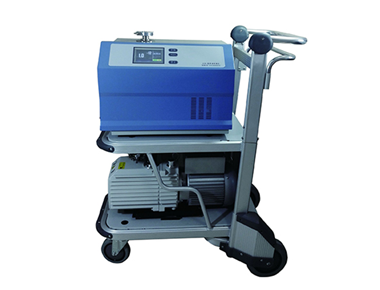
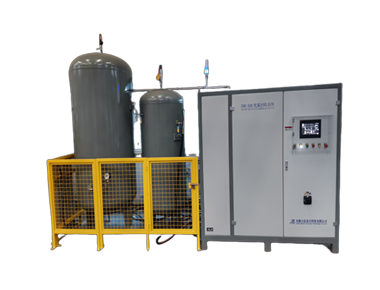
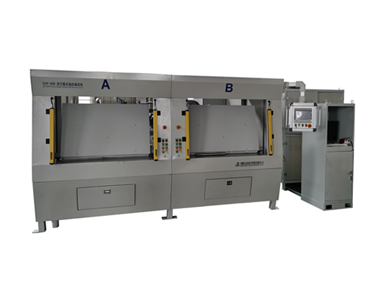
Automotive evaporators and condensers are typically manufactured using aluminum brazing processes. Micro-porosity, pinholes, and weak brazed joints are common risk points. Helium leak detection, especially using a vacuum chamber method, allows manufacturers to test the entire component efficiently and consistently.
For automotive radiators and heat exchangers, helium testing ensures long-term sealing integrity under vibration and thermal stress. This is particularly important for vehicles operating in extreme climates.
Application in AC and HVAC Manufacturing Lines
In automotive AC and HVAC production lines, helium leak detectors are widely integrated into automated testing stations. Typical testing methods include:
-
Vacuum chamber helium leak testing
-
Helium spray testing for localized leak detection
-
Sniffer testing for final inspection
These methods are suitable for both mass production environments and high-quality OEM requirements. Helium is inert, non-toxic, and does not contaminate refrigeration systems, making it safe for automotive use.
Supporting the Transition to New Refrigerants
With the global shift toward low-GWP refrigerants such as R1234yf and CO₂-based systems, leak tightness requirements are becoming more demanding. Helium leak detection provides the accuracy needed to validate sealing performance before refrigerant charging, reducing warranty risks and field failures.
 inquiry


 Youtube
 Linkedin
 Instagram
-
Main technical index
Other products
-
Helium Leak Testing: The Gold Standard for Micro-Leak Detection in Packaging
In the quality control of packaging across various industries, micro-leak detection is a core link in ensuring product safety, quality, and shelf life. Helium leak testing, renowned for its unparalleled reliability and sensitivity, has rightfully earned its reputation as the "gold standard" in this field. Widely trusted by regulatory bodies and manufacturers alike, this technology has become an indispensable part of modern packaging validation and integrity testing protocols. Its widespread adoption reflects the growing demand for ...
-
Advanced Helium Leak Detection Solutions for Power, Liquid Cooling Plates, and HVAC Industries
In the rapidly evolving landscape of industrial manufacturing, ensuring the integrity and efficiency of critical components is paramount. At Daxin Vacuum Technology Co., Ltd., we specialize in providing state-of-the-art helium leak detection equipment tailored for the power sector, liquid cooling plates, and HVAC systems like air conditioner evaporators and condensers. As global markets, including Iran's thriving HVAC industry, continue to grow, the demand for precise helium mass spectrometer leak detectors has surged. According to...
-
Helium Leak Detection in the Automotive Industry: Ensuring Reliability for Evaporators, Condensers, and Compressors
In the competitive automotive industry, precision and reliability are critical. Air conditioning (AC) systems are essential for passenger comfort, and components such as evaporators, condensers, and compressors must be 100% leak-free to ensure efficiency and durability. Even the smallest refrigerant leak can result in poor cooling performance, higher energy consumption, and costly warranty claims. This is why many manufacturers choose the Daxin helium leak detector as the most advanced solution for automotive AC leak testing. [c...
-
Helium Leak Detection Solutions in the Power Industry: Ensuring Safety and Reliability for SF6 Switchgear and Vacuum Circuit Breakers
In the modern power industry, reliability and safety are the foundation of every system. Electrical equipment such as SF6 switchgear, vacuum circuit breakers, and high-voltage Gas-Insulated Switchgear (GIS) plays a vital role in delivering stable electricity to industries and households. However, one hidden challenge threatens both efficiency and safety—gas leakage. To address this issue, the Daxin helium leak detector has become a proven solution trusted by manufacturers and utilities worldwide. The Challenge of Gas Leakage in ...
-
How to use a tip helium mass spectrometer to safely escort the heat exchanger
In the lifeline industries such as petrochemicals, new energy, and aerospace, heat exchangers are like the "hearts" of the systems, and their sealing performance is directly related to production safety and energy efficiency. The Daxin helium mass spectrometer leak detectors independently developed by Anhui Daxin Vacuum Technology, with nanoscale precision detection capabilities, have built a leak-proof defense line for global industrial equipment. This article will take you into the world of hardcore technology of this "industrial...
-
Revolutionizing Leak Detection with DAXIN Compressors Helium Leak Detection System
In the realm of industrial equipment and precision engineering, the quest for efficiency, accuracy, and reliability reigns supreme. Enter the DAXIN Compressors Helium Leak Detection System, an advanced solution designed to elevate leak detection processes to new heights. With a focus on precision, performance, and innovation, this system sets a new standard in detecting and addressing leaks with unparalleled accuracy and efficiency. Unveiling the DAXIN Compressors Helium Leak Detection System At the hea...
-
Unveiling the Silent Savior: A Love Story with Helium Leak Detector
In the hushed symphony of engineering, where precision reigns supreme, there exists an unsung hero, a silent guardian of quality—the helium leak detector. With my 15-year pilgrimage in the realm of helium leak detection, I've witnessed firsthand the profound impact this instrument has on industries far and wide. Join me as I unveil the captivating world of helium leak detectors, where science and emotion intertwine. Ode to the Unseen Helium leak detectors are masters of the unseen, guardians of integrity in countl...
-
The Role of Helium Tracer Gas Technology in Industrial Applications
In industrial settings, the detection of leaks in various equipment and systems is essential for ensuring operational efficiency, product quality, and environmental safety. Helium tracer gas leak detection has emerged as a leading technology in this field, offering precision and reliability in pinpointing even the smallest leaks. This article explores the critical equipment and processes involved in helium tracer gas leak detection and its pivotal role in enhancing industrial safety and productivity. The Power of Helium ...


